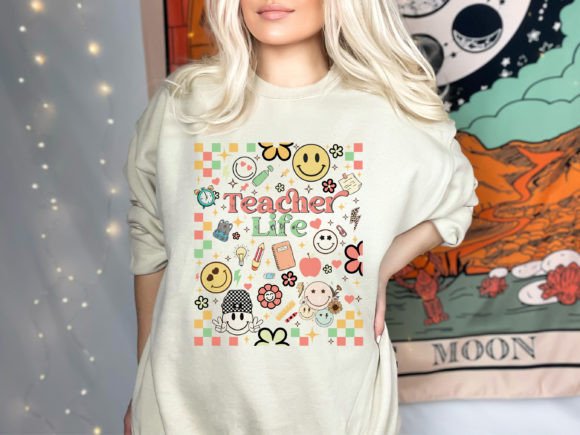
Retro Teacher Life Sublimation
First Impression: Warm, Witty, and Instantly Recognizable
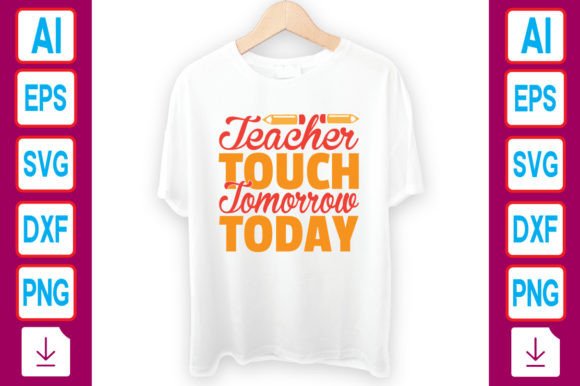
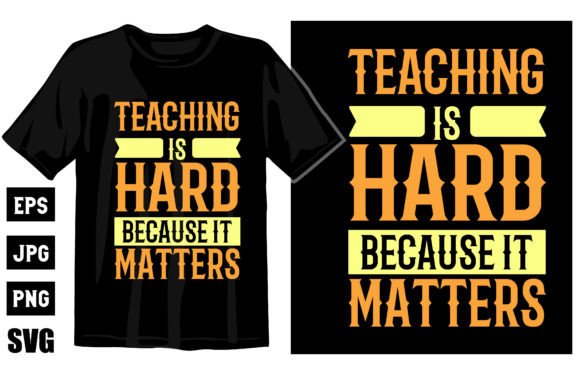
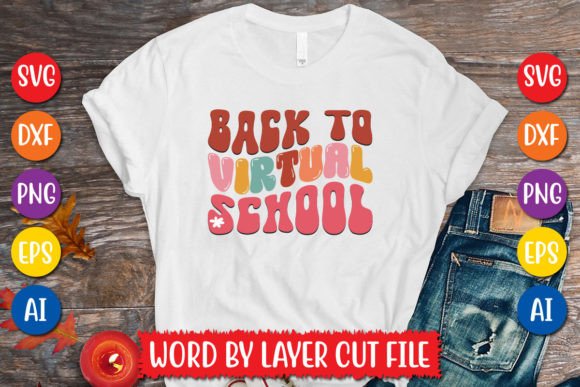
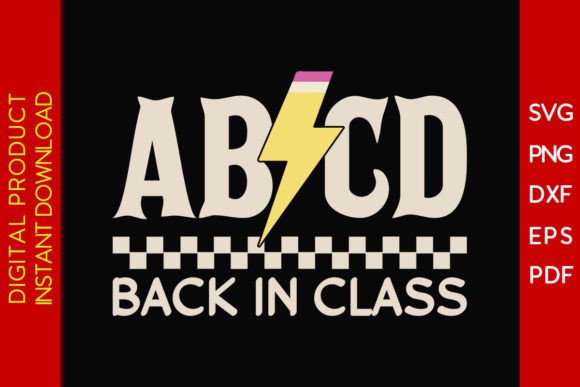
When I opened Retro Teacher Life Sublimation, I didn’t see just another teacher-themed graphic—I saw a mood. The layout leans into mid-century illustration cues: clean lines, balanced negative space, and that unmistakable 70s-inspired palette suggestion (even in vector form). It’s playful but not childish, nostalgic but not dated. The composition feels intentional—not overcrowded, not sparse—and the typography has personality without sacrificing legibility. As an embroidery designer who’s stitched hundreds of “teacher life” motifs, this one stands out because it avoids clichés like apples, chalkboards, or cartoon rulers. Instead, it communicates professionalism with a wink—perfect for educators who wear their passion lightly.
A Real Project Test: Embroidering a Linen Tote for Back-to-School Gifts
Last week, I prepped a batch of heavyweight linen totes for a local teacher appreciation pop-up. I chose Retro Teacher Life Sublimation as the centerpiece for the front panel—not as a sublimation print, but as a machine embroidery design. Why? Because its strong silhouette and moderate detail translate well to stitch. I resized it to fit a 4×4 hoop comfortably, keeping key elements like the central phrase and retro sunburst intact. On linen, the design held up beautifully: satin stitch edges stayed crisp, fill areas remained breathable (no puckering), and the overall shape read clearly from three feet away. Teachers at the event responded immediately—they smiled, pointed, and said, “That’s *so* me.” That kind of emotional resonance is rare in stock graphics—and invaluable for handmade product appeal.
Where It Shines (and Where It Needs Caution)
Retro Teacher Life Sublimation works especially well for:
- Custom apparel—especially on structured fabrics like cotton twill jackets, denim totes, and medium-weight sweatshirts where stitch definition stays sharp;
- Embroidered patches—its balanced proportions and clear outlines make it ideal for iron-on or sew-on versions;
- Boutique branding—it reads well on tea towels, aprons, and pillow covers meant for classroom or home office decor;
- Holiday and personalized gifts—think embroidered baby onesies (for teacher-moms) or graduation caps, where charm and clarity matter more than fine detail.
But proceed thoughtfully with:
- Thin or stretchy fabrics—like lightweight jersey or ribbed knit tees—where dense fill areas may cause distortion without proper cutaway stabilizer;
- Curved surfaces like baseball caps, where the horizontal layout may require repositioning or slight simplification;
- Dark fabric backgrounds—test thread colors carefully; light yellow or cream satin stitch can fade visually unless contrast is high;
- Small hoop sizes under 3×3—some lettering and decorative flourishes may lose legibility if shrunk too far.
Design Integrity Meets Commercial Practicality
As an Etsy seller and small shop owner myself, I pay close attention to how a design affects perceived value. Retro Teacher Life Sublimation elevates a simple tote or sweatshirt into something that feels curated—not generic. Customers notice when stitching is confident and cohesive, and this design delivers that. Its balanced weight distribution means fewer thread breaks during long runs, and its moderate stitch density keeps production time reasonable for batch orders. For craft fairs or school fundraisers, that efficiency matters. More importantly, it supports brand consistency: whether you’re selling digital embroidery files or finished products, this design carries a recognizable voice—one that says “thoughtful,” not “trend-chasing.”
What Every Embroidery Designer Should Verify Before Stitching
Before committing to Retro Teacher Life Sublimation in your next project, do these five things:
- Test on scrap fabric matching your final product’s weight and weave—linen behaves differently than cotton duck or polyester blend;
- Check thread color contrast in both natural and artificial light—what looks bold on screen may mute on dark fabric;
- Review stitch density in fill areas—if it’s dense, add a layer of tear-away + cutaway stabilizer for stability;
- Inspect small details like inner curves or serif ends—some SVG-to-embroidery conversions lose subtlety without manual cleanup;
- Confirm licensing terms—since this is marketed as a T-Shirt Designs and Graphics asset, verify whether commercial use of finished embroidered items is permitted.
Final Thought: A Design That Serves Both Maker and Wearer
Retro Teacher Life Sublimation isn’t just a graphic—it’s a quiet piece of storytelling. When stitched onto a soft cotton apron for a kindergarten teacher, it becomes part of her daily ritual. When embroidered on a baby blanket gifted to a new educator, it becomes a keepsake. Its strength lies in restraint: no overcomplication, no visual noise, just honest, warm recognition. For embroidery designers and creative entrepreneurs, that kind of clarity is gold. It saves time in digitizing, builds trust with buyers, and makes every finished product feel intentional—not assembled. If you’re selecting design assets for your craft business, this one earns its place not because it’s trendy, but because it’s true.