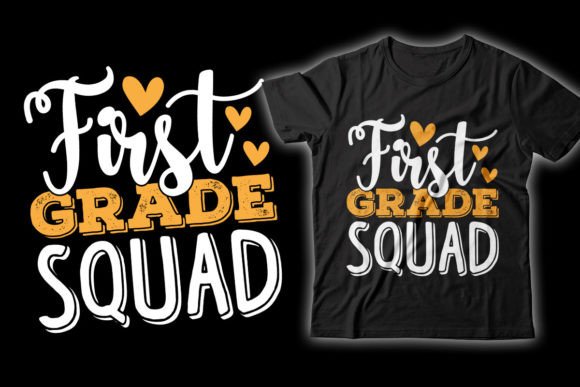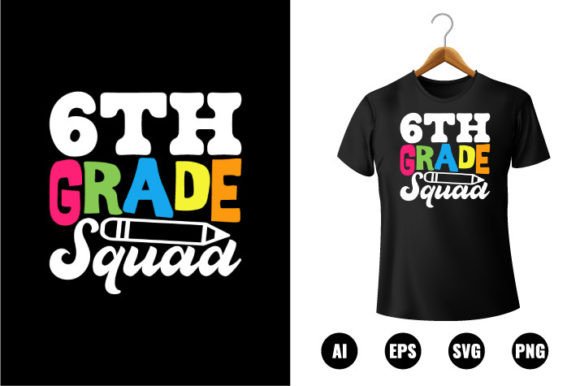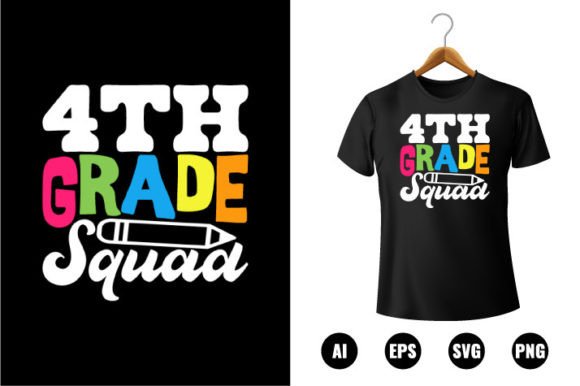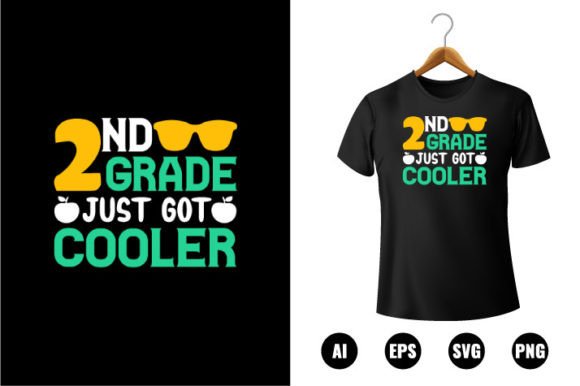
Hello 9th Grade Graphics & T-Shirt Designs
As a brand designer who’s helped over 200 local businesses—from indie candle makers in Portland to family-run bakeries in Austin—build cohesive, shelf-ready identities, I recently evaluated Hello 9th Grade for potential use across packaging, labels, and seasonal campaign visuals. My test case? A small-batch skincare brand launching a limited “Back to Self-Care” collection for students and educators—think soy wax candles, lavender-infused hand soap, and reusable cotton gift wraps.
A Typography-First Impression That Feels Human, Not Algorithmic
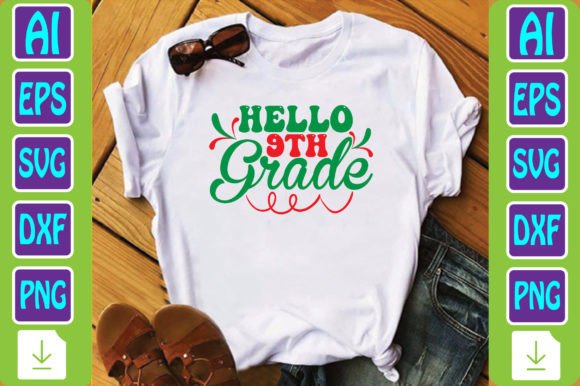
The first thing that stands out about Hello 9th Grade is its warm, slightly imperfect letterform rhythm—tight kerning with subtle weight shifts, a soft baseline tilt, and just enough character to feel handwritten without sacrificing legibility. It reads as friendly, approachable, and grounded—not corporate, not overly playful, and definitely not sterile. For local businesses, that’s gold: it suggests authenticity without leaning into forced “rustic” or “vintage” clichés. It leans modern but breathes like a real person wrote it—not a font generator. That makes it ideal for handmade businesses, boutiques, and food brands where warmth and trust matter more than rigid polish.
Where It Shines in Real Local Business Applications
Hello 9th Grade isn’t just a T-shirt design—it’s a flexible graphic design asset that adapts beautifully across touchpoints:
- Packaging design: Works powerfully as a secondary brand element on soap labels, candle jar accents, or gift box belly bands—especially when paired with a clean sans serif primary logo.
- Product labels: At 300 DPI with transparent PNG, it prints crisply on matte kraft stickers and glossy foil labels alike. Its open spacing holds up well even at 1.5" height on 4oz soap jars.
- Social media graphics: The SVG and AI files scale flawlessly for Instagram carousels, Pinterest pins, and Facebook event banners—no pixelation, no reworking needed.
- Printable design & promotional materials: Used as a decorative header on thank-you cards, hang tags, and seasonal flyers, it adds instant visual hierarchy without competing with core messaging.
- Product mockup integration: Layered cleanly over neutral-toned mockups (linen bags, ceramic jars, recycled paper boxes), it enhances perceived value without overwhelming the product itself.
What This Graphic Design Asset Delivers for Small Business Branding
When applied thoughtfully, Hello 9th Grade strengthens several critical pillars of local business presentation:
- Stronger first impression: On crowded farmers’ market shelves or Etsy listings, its confident yet gentle presence helps products stand out—not shout.
- Better product recognition: Repeating it consistently across labels, stickers, and digital ads builds subconscious familiarity, especially for seasonal or limited-edition launches.
- Clearer visual hierarchy: Its medium-weight display energy naturally draws the eye *before* supporting text—ideal for hero lines like “Hand-Poured • Small Batch • Made in Asheville.”
- More consistent brand identity: Unlike clipart or generic Canva templates, its vector foundation ensures uniformity across print and web—no version drift between your website banner and your coffee shop menu board.
- Improved customer trust: That handmade-but-professional balance signals care and intentionality—key for customers choosing between your lavender soap and the mass-produced alternative.
Smart Usage Boundaries—Where to Lean In, Where to Step Back
Hello 9th Grade excels as a supporting brand element—not a standalone logo or legal disclaimer. Use it carefully in these contexts:
- Avoid formal corporate branding: It lacks the gravitas for law firms, financial advisors, or medical practices.
- Test rigorously on small labels: While readable at 12pt on screen, verify legibility at 8pt on 1"x1" ingredient stickers—some curves tighten under micro-printing.
- Don’t crowd it: On packaging with dense ingredient lists or regulatory text, place it away from mandatory copy—never overlapping or adjacent to FDA-required statements.
- Watch contrast: On low-contrast backgrounds (e.g., light gray kraft paper), preview the PNG transparency—some subtle anti-aliasing may require a slight stroke or shadow for clarity.
- Resist luxury minimalism: Brands built on stark whitespace and monochrome palettes (e.g., high-end ceramics or Scandinavian home goods) may find it too expressive.
Practical Brand Designer Notes Before You Implement
Before dropping Hello 9th Grade into your next client project or product launch, run these quick checks:
- Test it on real packaging mockups—not just digital previews—to assess scale, spacing, and emotional resonance in context.
- Convert to grayscale: Does it retain impact in black-and-white printing (e.g., on uncoated paper tags)?
- Preview it beside your brand’s primary typeface—does it complement or clash with your serif, sans serif, script, or handwritten fonts?
- Inspect the SVG: Are anchor points clean and editable? Can you isolate letters for custom layouts (e.g., wrapping “Hello” around a candle jar lid)?
- Verify commercial licensing: Ensure your source grants full rights for physical product sales, client work, and digital marketing—not just personal use.
- Compare against competitor packaging: Does it differentiate your offering—or unintentionally echo another local brand’s voice?
- Check print output: Run a test print on your intended substrate (kraft, gloss, linen-textured stock) to confirm color fidelity and edge sharpness.
For small business branding, Hello 9th Grade isn’t just a digital product—it’s a thoughtful, scalable tool that bridges editorial design and commercial design with quiet confidence. When matched to the right brand voice and applied with intention, it elevates everything from a $12 soap bar to a $45 gift set—not by shouting louder, but by saying something warmer, clearer, and unmistakably human.