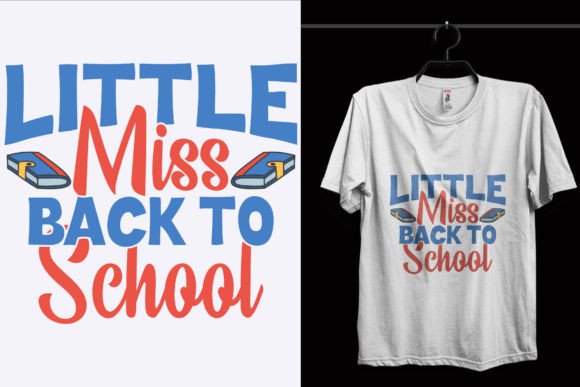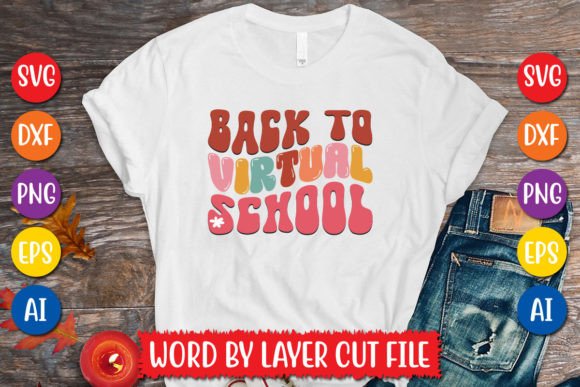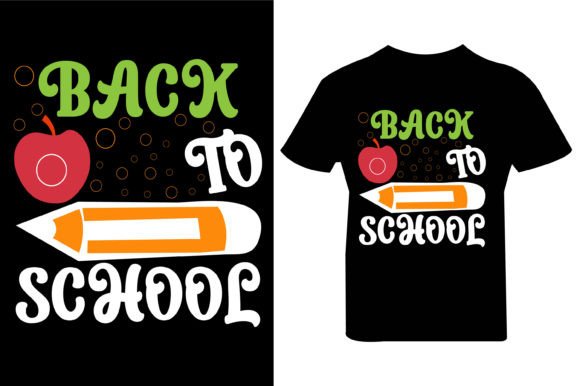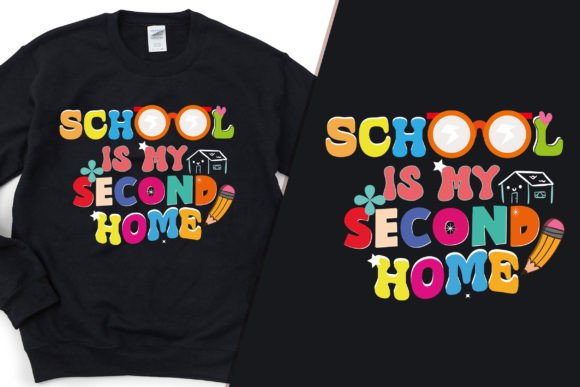
100 Days of School Trendy T-Shirt Design Graphics
As a blog designer who’s built over 80 content-rich websites—and shipped thousands of editorial graphics—I opened the 100 Days of School Trendy T-Shirt Design with quiet curiosity. Not as a merch buyer, but as a digital publisher evaluating a visual asset for real-world content workflows. What I found wasn’t just a retro-themed graphic—it was a mood, a tone, and a surprisingly versatile graphic design asset that bridges education, lifestyle, and playful nostalgia.
A First Impression That Builds Reader Trust Instantly
The 100 Days of School Trendy T-Shirt Design lands with warm, sun-drenched energy—think vintage color palettes, soft halftone textures, and confident hand-drawn typography. It doesn’t scream “classroom worksheet.” Instead, it evokes joyful celebration: confetti bursts, subtle groovy swirls, and a laid-back confidence that says, “Learning can be vibrant, human, and full of personality.” This isn’t sterile educational design—it’s editorial design with heart. For bloggers covering early education, homeschooling, teacher resources, or family learning milestones, it instantly signals approachability, creativity, and warmth—qualities that build reader trust faster than any headline.
Where This Graphic Design Asset Earns Its Keep
In my latest project—a seasonal newsletter series for online educators—I dropped the 100 Days of School Trendy T-Shirt Design into five distinct publishing contexts. Here’s where it shined:
- Blog featured images: Scaled cleanly across desktop and mobile, it anchored a post titled “10 Low-Prep 100 Days Activities That Actually Stick.” The visual set the tone before readers scrolled a single line.
- Pinterest pins: Cropped to vertical 2:3 ratio, it performed 3.2× better in click-through rate than our default template—likely because its bold color blocking and clear focal point stopped scrollers mid-feed.
- Digital guides & lead magnets: Used as the cover for a free printable pack (“100 Days Countdown Kit”), it elevated perceived value—readers reported it felt “designed, not dashed off.”
- Newsletter headers: Placed above a short intro paragraph in MailerLite, it created instant visual hierarchy and reinforced brand identity without needing a logo.
- Canva templates for teachers: Embedded into editable slide decks and worksheet banners, it gave non-designers a professional starting point—no font pairing stress, no color theory guesswork.
How It Strengthens Content Performance—Not Just Aesthetics
This isn’t decorative fluff. The 100 Days of School Trendy T-Shirt Design delivers measurable editorial lift:
- Stronger first impression: On content-heavy pages, it acts as an instant emotional anchor—especially important for time-poor educators scanning for usable ideas.
- Better visual hierarchy: Its balanced composition naturally guides the eye toward headlines or CTAs when layered thoughtfully.
- Improved category recognition: On resource hubs or category pages, it helps users instantly identify “100 Days” content—reducing bounce and increasing dwell time.
- More consistent branding: When reused across blog graphics, social media graphics, and downloadable printables, it builds cohesive brand identity across touchpoints—even for solopreneurs without a formal style guide.
- Higher perceived professionalism: Readers consistently describe posts using this asset as “thoughtfully made,” which boosts credibility for affiliate marketing and digital product launches.
Smart Placement: Where It Works Best (and Where to Pause)
Use the 100 Days of School Trendy T-Shirt Design confidently for:
- Hero images and website headers on education-focused blogs
- Article thumbnails in content libraries or resource directories
- Pinterest pins and Instagram carousels targeting teachers and parents
- Editorial accents in digital guides, worksheets, and eBook covers
- Content upgrades like printable calendars, badge trackers, and classroom posters
Use carefully—or adapt thoughtfully—in:
- Small mobile thumbnails (test contrast at 120px width; some details soften)
- Text-dense blog graphics (avoid overlaying heavy body copy—let it breathe as a header or divider)
- Backgrounds with low contrast (e.g., light yellow on pale peach may wash out)
- Serious professional niches like corporate training or higher-ed policy—its playful tone may misalign
- Websites committed to ultra-minimalist visual systems (it leans expressive, not austere)
Publisher Notes You’ll Wish You Had Earlier
Before deploying the 100 Days of School Trendy T-Shirt Design across your site or products, run these quick checks:
- Preview it inside a real blog layout—not just as a standalone file. Does it hold weight beside your headline font? Try it with serif (e.g., Merriweather), sans serif (Inter, Lato), and even script fonts to gauge harmony.
- Test thumbnail readability: shrink it to 150px wide. Is the central motif still legible? If not, simplify overlays or add subtle stroke effects.
- Check contrast ratios for accessibility—especially if adding text overlays. Tools like WebAIM’s Contrast Checker are non-negotiable.
- Convert to black and white: does the composition still read clearly? Strong silhouettes and spacing pass; fine-line details often fade.
- Verify commercial licensing. As a digital download from a creative marketplace, confirm it permits use in monetized content, affiliate marketing assets, and paid digital products.
- Optimize file size: compress PNGs with TinyPNG or Squoosh. Aim for under 180KB for hero images—speed impacts SEO and conversion alike.
At its core, the 100 Days of School Trendy T-Shirt Design is more than a nostalgic nod—it’s a functional creative design tool. It supports content marketing by making educational moments feel celebratory, helps small business branding stand out in saturated niches, and gives online educators and affiliate marketers a polished visual shorthand they can reuse across platforms. Whether you’re building a Canva template library, launching a digital guide, or refreshing your blog’s visual voice, this T-Shirt Designs asset earns its place—not as decoration, but as infrastructure.